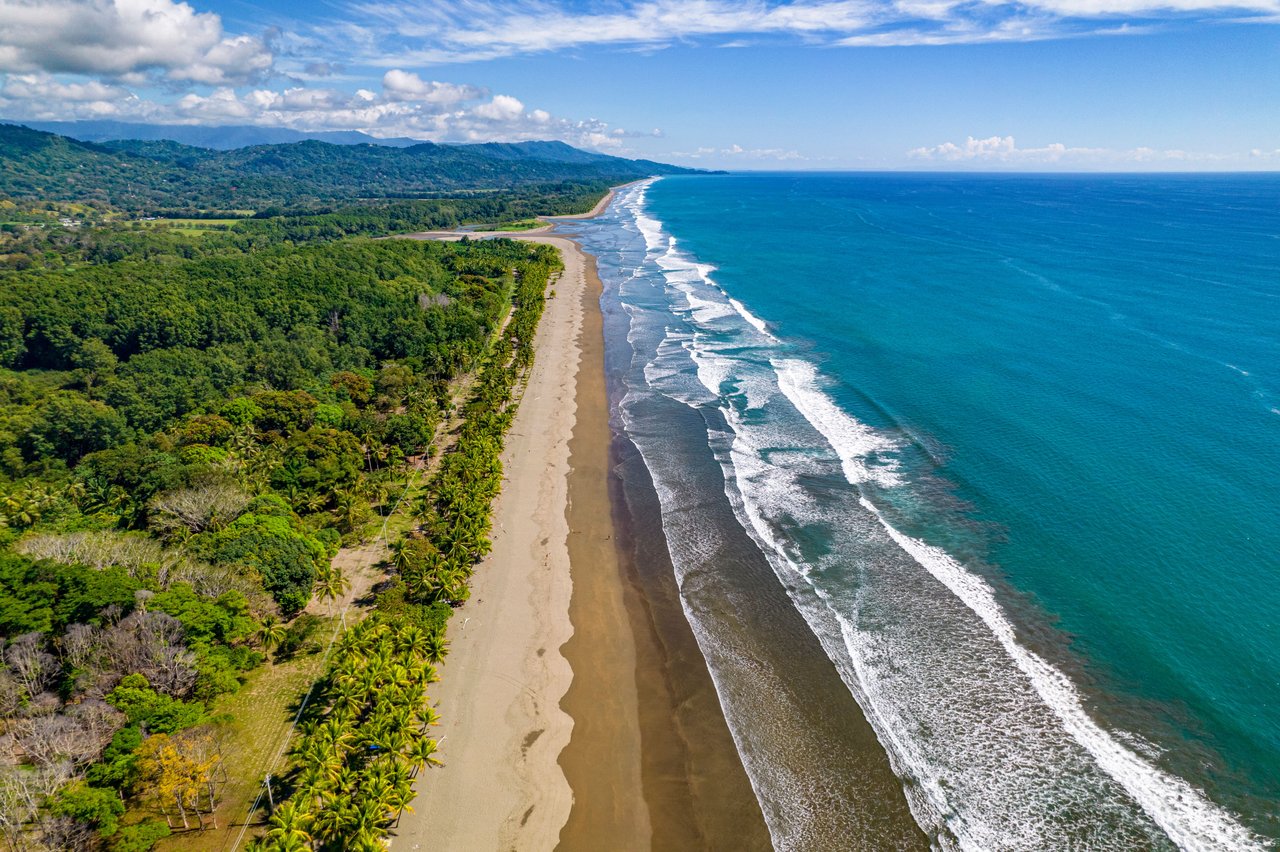
Costa Rica Investment Residency 2026 | Complete Guide
Juan José Montero Álvarez June 16, 2026
Juan José Montero Álvarez June 16, 2026
If you're a foreigner who has dreamed of retiring in a beachfront villa in Nosara, building a life on the Papagayo Peninsula, or investing strategically in Guanacaste's real estate market, an inevitable question arises: How can I legally establish residency in Costa Rica?
The answer is more accessible than most realize in 2026.
Costa Rica offers one of Latin America's most straightforward real estate investment residency programs. Through a legitimate real estate investment, you can obtain temporary residency that opens pathways to extended living in tropical paradise.
This guide walks you through how the program works, what requirements you must meet, what to expect financially, and why Guanacaste—particularly Nosara and Papagayo—has become the epicenter for international real estate investors seeking residency.
Costa Rica's Investor Attraction Law (Law 9996) forms the foundation of this residency pathway. Designed to attract foreign capital while providing international investors a structured route to legal residency, this law has been refined repeatedly to remain competitive globally.
The program recognizes a simple principle: invest meaningfully in Costa Rica's economy, and the government facilitates your residency.
1. Investment Residency (Entrepreneur/Investor) Requires substantial real estate, business, or project investment. This category is most relevant for property buyers.
2. Fixed Income Residency (Rentista) For individuals with verifiable recurring income from pensions, investments, or rental properties maintained consistently.
3. Pensioner Residency For retirees with documented pension income, with favorable terms available to those investing in residential property.
4. Employment Residency For foreign workers with local employment contracts validated by Costa Rican labor authorities.
For this article, we focus on Investment Residency—the direct connection between real estate purchase and legal residency status.
Costa Rica requires a meaningful real estate investment to qualify for residency. This amount was significantly reduced in 2021 to attract international investors, making it more accessible than competing countries.
The investment must meet several criteria:
Documented: Through notarized deeds, municipal receipts, and professional appraisals
Personal Ownership: Your name must appear as owner in the official property registry (Folio Real), not solely through business entities
Maintained: You must sustain the investment during your residency period
While real estate is most common, investment can take multiple forms:
Direct property ownership
Shares in operating Costa Rican companies
Government-approved development projects
Securities market instruments
When applying to Costa Rica's immigration authority (DGME), expect to provide:
Valid passport
Criminal background certificate from your country
Notarized property deed and registry documentation
Professional property appraisal
Municipal payment records
Health system affiliation proof
Bank documentation demonstrating financial capacity
Proof of Costa Rican residence address
This initial phase determines your entire investment. Selecting the right property in the right location is crucial.
Strategic considerations:
Properties in established coastal zones (Nosara, Papagayo) offer different characteristics than inland properties or emerging markets. Coastal properties typically attract vacation rental demand, while interior properties often serve long-term residential or local markets.
During this phase, prioritize:
Verification in the national property registry for clear ownership history
Confirmation that no legal claims or liens encumber the property
Proof of municipal approval for the property (legally required for construction rights)
Retention of a Costa Rican attorney experienced in immigration and property matters
Expert consideration: Many properties available for foreign buyers carry different operational costs based on location. Coastal properties, for instance, require different maintenance considerations than inland properties.
After acceptance of your offer, your attorney coordinates:
Formal registry search confirming clear title
Boundary verification through professional survey
Municipal tax status confirmation
Calculation and payment of transfer taxes and notary fees
This phase involves standard closing costs that vary by region and property value. Your attorney can provide precise figures for your specific transaction.
Once your property is officially registered in your name, you can apply for residency with immigration authorities.
Key requirements include:
Affiliation with Costa Rica's health system (CAJA)
Completion of required health documentation
Submission of comprehensive immigration file
Patience through review process
Processing times vary, but planning for the full window ensures you're not surprised by delays.
Once approved, your temporary residency grants significant benefits beyond simple legal residence:
As a new resident, you can import household furnishings and personal effects with full tax exemption—a substantial benefit for those relocating internationally.
Residency grants the right to import vehicles duty-free for personal use, a valuable benefit for those establishing a household in Costa Rica.
One of Costa Rica's unique features: there is no annual recurring property tax, making residential real estate ownership more economical than many countries.
Real estate transfers in Costa Rica involve transfer taxes, though investment residency provides specific exemptions that reduce acquisition costs.
Your residency permits living anywhere in Costa Rica—not limited to the province where you purchased property. This flexibility allows you to explore and potentially relocate as your preferences evolve.
After demonstrating successful residency over several years, you become eligible for permanent residency status, and eventually, citizenship pathways become available.
Success in Costa Rican real estate depends heavily on selecting the right region. Each area serves different investor profiles and offers distinct characteristics.
Nosara represents Costa Rica's most mature tourist and residential market. The region has developed a reputation for sustainability, wellness, and community values that attract specific investor demographics.
Market characteristics:
Established infrastructure including schools, medical facilities, and services
Mature market with documented historical performance
International community with diverse nationalities
Recognized for environmental consciousness and quality-of-life focus
Higher property prices reflecting market maturity
Investor profile: Typically investors seeking established markets with documented performance, quality of life emphasis, and integrated expatriate communities.
Papagayo represents Costa Rica's most aggressive development area, with international hotel brands and resort communities establishing presence.
Market characteristics:
Branded resort developments from global hospitality companies
High-end architectural standards and amenities
International airport access improving regional connectivity
Growing infrastructure and service expansion
Premium positioning in global luxury market
Investor profile: Investors prioritizing luxury positioning, hospitality integration, and established tourism infrastructure.
Sámara offers coastal living at more accessible price points than established markets, yet maintains good infrastructure and community development.
Market characteristics:
Smaller-scale development than Papagayo
Family-oriented community atmosphere
Growing infrastructure improvements
Beach access and tourism activity
More moderate pricing than saturated markets
Investor profile: Investors balancing accessibility with coastal location, suitable for both residence and modest income generation.
Playa Flamingo is completely established as a high-net-worth expatriate destination with mature infrastructure and international buyer base.
Market characteristics:
Marina and nautical amenities
Established restaurant and entertainment scene
Mature real estate market with documented values
International buyer community
Premium positioning within Costa Rica
Investor profile: Affluent investors, often retired, seeking established luxury communities with proven values.
Understanding complete financial implications is essential before committing to Costa Rican real estate investment.
Your total financial commitment includes the property purchase price plus acquisition-related costs. These additional costs vary based on property value, location, and specific transaction circumstances.
Standard acquisition involves:
Property purchase price
Transfer and registration costs
Professional appraisal fees
Legal representation fees
Health system affiliation
Initial documentation costs
Your Costa Rican attorney can provide precise figures for your specific transaction. Costs vary significantly based on property location and complexity.
Unlike many countries, Costa Rica features no annual property tax—a significant distinction from other investment destinations.
However, property ownership involves other considerations:
Health system contribution (mandatory for residency)
Property-specific maintenance (varies dramatically by location)
Community association fees (if applicable)
Municipal utilities and services
Insurance considerations
Coastal properties, for instance, involve different maintenance requirements than inland properties due to environmental factors.
If you generate rental income from your property, Costa Rica's tax system applies standard income taxation. The country also applies value-added tax (VAT) to certain services.
Specific tax obligations depend entirely on how you operate your property. Consultation with a Costa Rican tax professional is advisable for your specific circumstances.
When you sell property at a gain, standard capital gains taxation applies. However, your primary residence receives special tax treatment.
Again, specific calculations require professional guidance based on your situation.
Costa Rican residency requires affiliation with the national health system (CAJA). This mandatory requirement connects directly to your residency application and cannot be bypassed.
CAJA provides:
Access to public healthcare system
Required documentation for immigration purposes
Ongoing health monitoring
Coordination with residency status
The health system requirement is both a procedural necessity and a genuine benefit—Costa Rica's healthcare system is highly regarded internationally.
Your first residency approval grants temporary status valid for a set period, renewable by demonstrating ongoing investment and compliance.
Renewal requires:
Verification of continued investment
Health system affiliation maintenance
Absence of legal complications
After successful periods of renewable temporary residency, you automatically qualify for permanent residency—no renewal requirements, indefinite validity.
This status represents stability and deeper integration into Costa Rican society.
With extended residency and time investment, pathways to Costa Rican citizenship become available. Citizenship provides:
Costa Rican passport
Full political rights
Unrestricted employment
Unrestricted property ownership
Nosara or Sámara
Mature infrastructure
Established expatriate communities
Quality-of-life focus
Educational and medical facilities
Proven market history
Suitable for: Investors prioritizing lifestyle integration, retirement, and community connection.
For Luxury Positioning and Premium Markets
Papagayo or Flamingo
Branded developments
International standard amenities
High-end positioning
Premium buyer markets
Hospitality integration
Suitable for: Investors seeking luxury properties and premium market positioning.
Emerging Zones
Still-developing infrastructure
Lower acquisition costs
Potential appreciation
Greater uncertainty
Evolving communities
Suitable for: Strategic investors with longer timelines, accepting higher volatility for potential appreciation.
Before any commitment, independently verify property ownership through the national registry. Clear ownership documentation is non-negotiable.
Verify the property has required municipal approvals and carries no legal complications. Your attorney must conduct thorough due diligence.
Calculate complete acquisition and ownership costs, not just purchase price. Budget for unexpected requirements.
Hire experienced Costa Rican attorneys and tax professionals. Their expertise is invaluable and relatively affordable compared to potential mistakes.
Visit potential areas, speak with current residents and business operators, understand actual living conditions beyond marketing materials.
Understand Costa Rican health system requirements and how they align with your expectations and needs.
From initial decision to approved residency typically spans multiple quarters:
This timeline varies based on application completeness, DGME processing efficiency, and individual circumstances. Plan conservatively.
Costa Rica's appeal extends beyond residency programs. The country provides:
Political Stability: Consistent democratic governance since 1948
Legal Security: Strong property rights protection and contract enforcement
Healthcare Quality: Internationally recognized healthcare system
Natural Environment: Remarkable biodiversity and environmental preservation
Quality of Life: Consistently ranks highly in life satisfaction metrics
International Community: Established populations of expatriates across regions
These factors combine to make Costa Rica attractive to investors beyond purely financial considerations.
Costa Rica's residency program competes globally with alternatives offering different advantages:
Various countries offer residency through investment, each with distinct characteristics regarding investment levels, processing timelines, tax structures, and lifestyle factors.
Costa Rica's combination of accessibility, political stability, healthcare quality, and natural environment distinguishes it within the global landscape.
DGME (General Directorate of Migration and Foreign Affairs): www.migracion.go.cr
CAJA (Health System): www.caja.go.cr
Successfully navigating Costa Rican residency and real estate investment requires:
Immigration Attorney: Costa Rican-based professional with residency program expertise
Tax Professional: Costa Rican accountant familiar with foreigner taxation
Real Estate Professional: Local agent experienced with international buyers
Research Regions: Determine which areas align with your lifestyle and investment goals
Connect with Professionals: Identify Costa Rican attorneys and real estate professionals
Visit and Explore: Experience potential communities in person
Evaluate Properties: Begin reviewing available properties matching your criteria
Plan Financially: Establish realistic budgets including all costs
Verify all property documentation independently
Obtain professional legal review of any agreements
Consult with tax professionals about your specific situation
Understand complete financial obligations
Assess lifestyle fit with chosen region
Real estate investment, residency applications, and international relocation involve complex legal, financial, and personal considerations. This article provides general information and should not substitute for professional consultation with Costa Rican attorneys, tax professionals, and qualified real estate agents. Individual circumstances vary significantly; professional guidance specific to your situation is essential.



Stay up to date on the latest real estate trends.
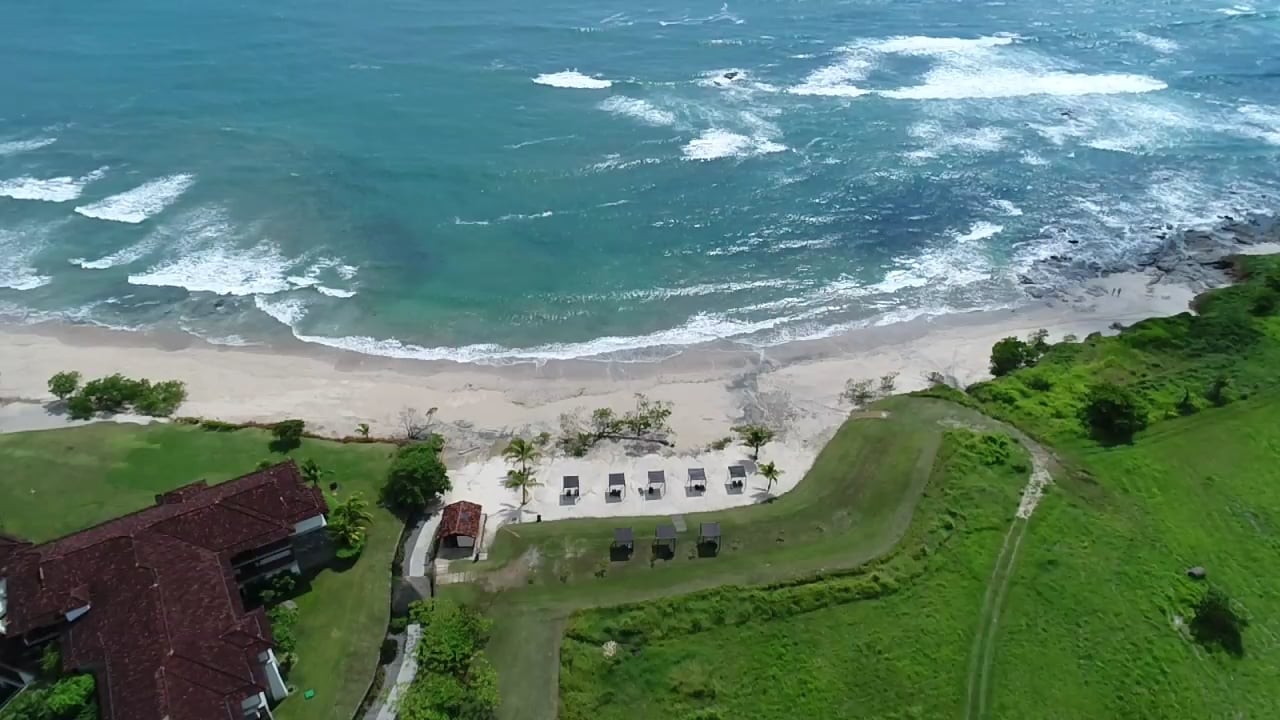
Everything buyers need to know about Hacienda Pinilla, Guanacaste: its 3 beaches, golf course, beach club, neighborhoods, new projects, and tips for buying real estate… Read more

What Is a Branded Residence? A branded residence is a privately owned home built and operated in partnership with an international hotel brand.
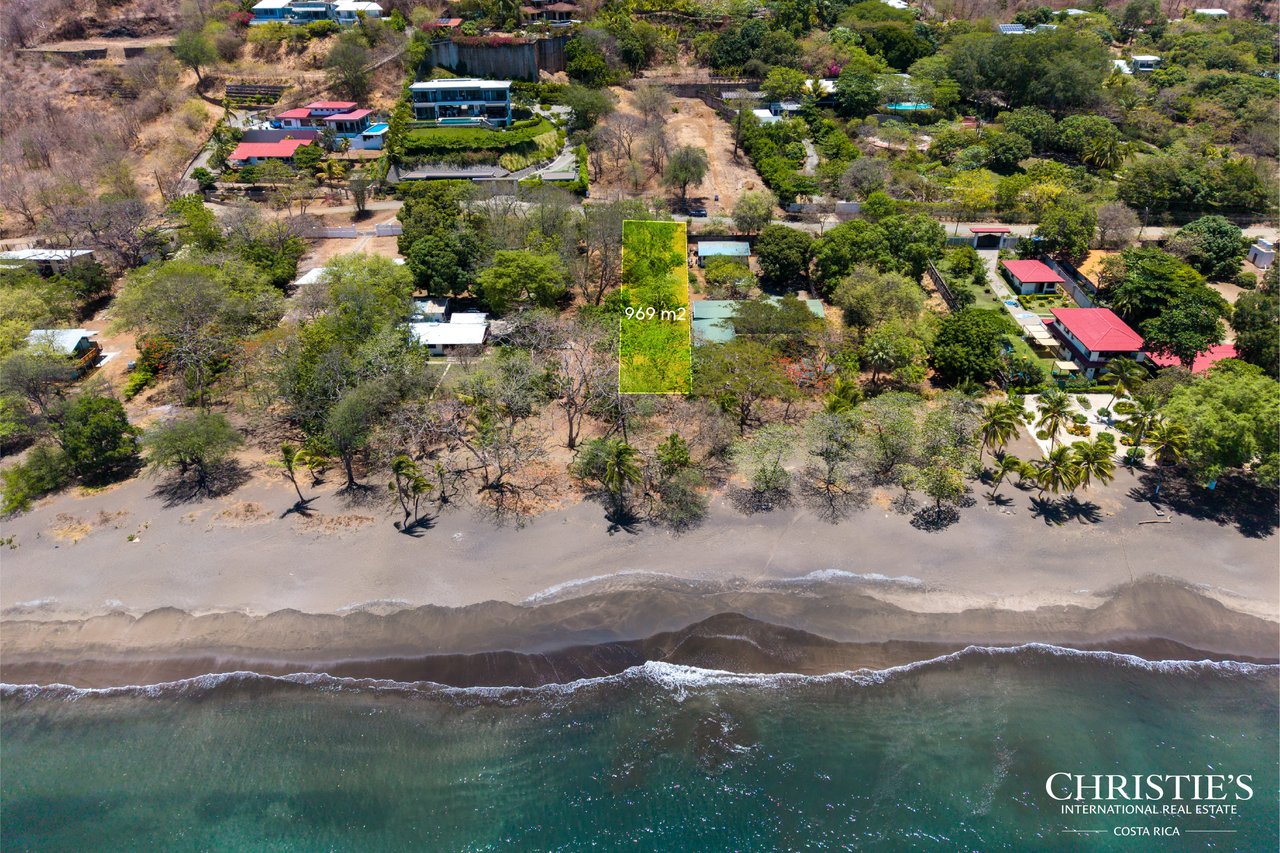
Thinking about buying beachfront property in Costa Rica? Here's what the Maritime Zone (ZMT) really means, how concessions work, and how to buy with confidence. Expert… Read more
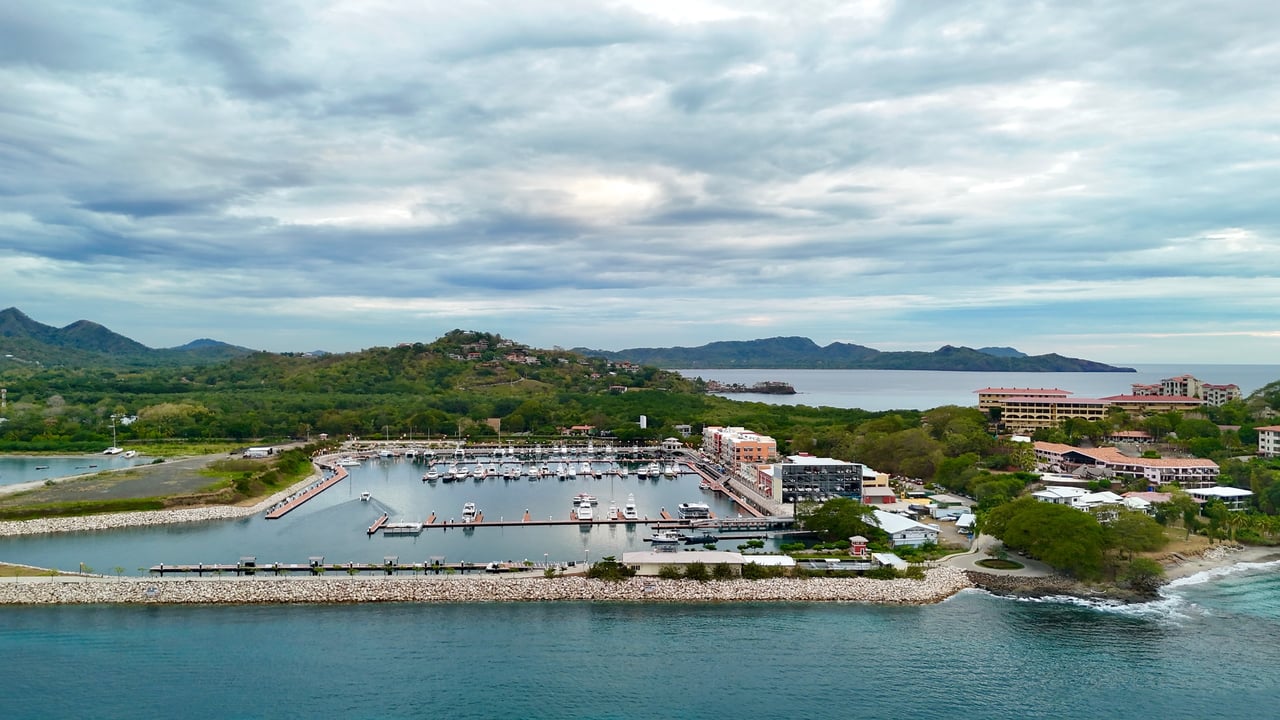
Costa Rica Luxury Real Estate 2026: Why Now Is the Time to Buy on the Gold Coast. Discover why 2026 is one of the strongest years in a decade to buy luxury real estat… Read more

When international investors evaluate Costa Rican real estate, they often encounter prices that puzzle them at first glance. A property in Nosara or Papagayo might com… Read more

Costa Rica applies taxation at several stages of property ownership and transactions: at acquisition, during ownership, and upon sale. The framework differs depending … Read more
If you're a foreigner who has dreamed of retiring in a beachfront villa in Nosara, building a life on the Papagayo Peninsula, or investing strategically in Guanacaste'… Read more

It usually starts the same way. A week in Guanacaste — maybe a villa in Flamingo, a resort stay at Papagayo, a few evenings watching the sun go down over the Pacific —… Read more

How increased air connectivity is transforming Guanacaste into one of Costa Rica’s most sought-after property markets