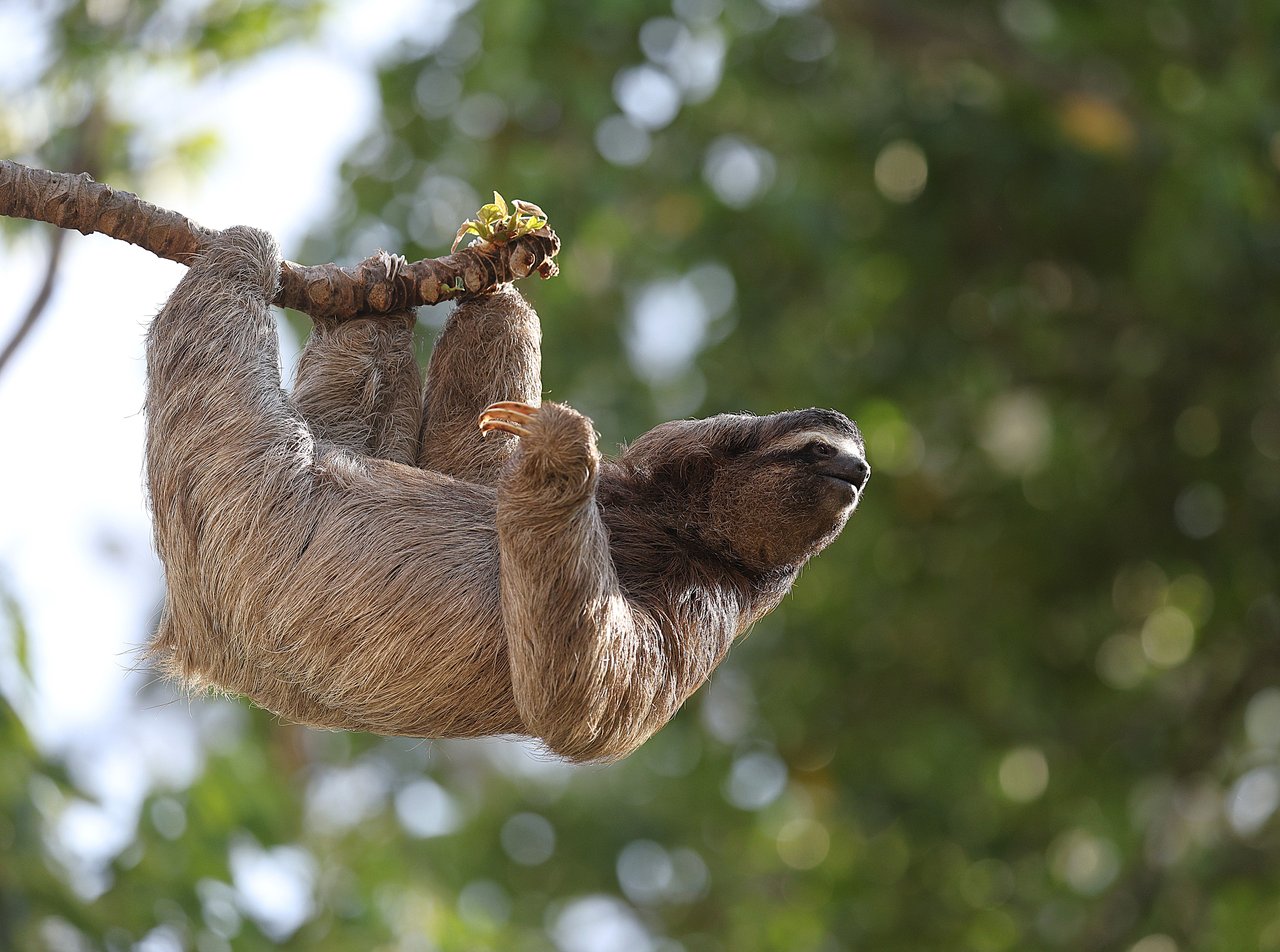
Costa Rica's Biodiversity: Why Hotspots Command Premium Real Estate Prices
Juan José Montero Álvarez July 3, 2026
Juan José Montero Álvarez July 3, 2026
When international investors evaluate Costa Rican real estate, they often encounter prices that puzzle them at first glance. A property in Nosara or Papagayo might command prices comparable to similar-sized homes in Florida or California—despite a smaller population base and different economic metrics.
The answer lies not in traditional financial analysis alone, but in a factor many real estate agents overlook: biodiversity.
Costa Rica's extraordinary concentration of plant and animal species creates a measurable premium in real estate values. Properties located in biodiversity hotspots attract buyers willing to pay significantly more, not for the property itself, but for what surrounds it: access to globally rare ecosystems, long-term conservation guarantees, and appreciation potential tied to increasingly scarce natural resources.
This guide explores the direct connection between biodiversity and property value in Costa Rica—and why investors who understand this relationship make smarter acquisition decisions.
Costa Rica occupies just 0.03% of Earth's land surface—roughly 51,100 square kilometers. Yet this small nation harbors an astounding 5% to 6% of all known plant and animal species on the planet.
To put this in perspective: Costa Rica hosts nearly 500,000 documented species across its territory. This includes:
• Over 12,000 plant species
• Approximately 1,200 butterfly species
• More than 800 bird species
• 650 species of mammals, reptiles, and amphibians
Source: Greenpeace International - Biodiversity: Costa Rica's Remarkable Journey (2024)
This concentration is extraordinary. Brazil, despite being 166 times larger than Costa Rica, has lower species density per square kilometer. Costa Rica averages 234.8 plant species, 16.9 bird species, and 4.6 mammal species per 1,000 km². Brazil averages only 6.5 plant species, 0.2 bird species, and 0.05 mammal species in the same area.
Source: Visit Costa Rica - What Makes Costa Rica Unique (Official Tourism Board)
Three to five million years ago, tectonic activity created a land bridge connecting North and South America where Central America now exists. For the first time in 150 million years, wildlife from two continents could interact, migrate, and interbreed.
This biological convergence created unprecedented biodiversity. Species that had evolved in isolation on separate continents suddenly shared ecosystems, generating new ecological niches and accelerating evolutionary diversity.
Additionally, Costa Rica's varied topography—from sea level to peaks over 3,000 meters—creates multiple climate zones and microclimates. A single property in the highlands experiences vastly different flora and fauna than one at sea level, all within a few hours' drive.
This geographic complexity means biodiversity is not evenly distributed. Certain regions concentrate far higher species density than others—creating biodiversity hotspots.
Costa Rica is not simply biodiverse by accident—the nation has institutionalized conservation as policy.
Over 27% of the country's land is protected through:
• 28 national parks
• 58 wildlife refuges
• 11 forest reserves
• 8 biological reserves
• 15 wetland and mangrove reserves
Source: Journeys With Purpose - Conservation in Costa Rica (2025)
This legal framework—anchored in the Ley de Biodiversidad (Law No. 7788) and Ley Forestal (Law No. 7575)—is not merely bureaucratic. It represents a binding commitment that protected ecosystems cannot be developed, clear-cut, or converted to other uses.
For real estate investors, this is a critical distinction: properties adjacent to or within these zones enjoy permanent ecosystem protection. Unlike many developing nations where conservation status can change with political administrations, Costa Rica's conservation laws have remained stable for decades and show no signs of weakening.
In real estate, scarcity is the fundamental driver of value appreciation. A property with exclusive access to rare resources commands premium pricing.
Biodiversity hotspots are inherently scarce. You cannot replicate a rainforest. You cannot manufacture a cloud forest ecosystem. You cannot move a mangrove wetland to a different location to satisfy developer demand.
Properties located in or adjacent to high-biodiversity zones possess permanent scarcity value. As these ecosystems face global pressure from development, climate change, and deforestation, properties that preserve ecosystem access become increasingly valuable.
This is not speculative. Ecotourism contributes $1.92 billion annually to Costa Rica's economy, with 39% of tourists citing nature as their primary reason for visiting.
Source: Wikipedia - Wildlife of Costa Rica
Properties in biodiversity hotspots generate rental income tied to this demand. A villa in Nosara—surrounded by tropical dry forest and home to scarlet macaws, howler monkeys, and resplendent quetzals—commands nightly rental rates 30-50% higher than comparable properties in regions with lower biodiversity.
As global awareness of climate change and species extinction increases, properties located in regions with strong conservation commitments gain strategic value.
Wealthier buyers increasingly factor climate resilience and environmental stability into acquisition decisions. A property in a region with strong legal protections and active conservation receives implicit validation: "This area will be protected. This ecosystem will remain stable. My investment is climate-proofed."
This creates a self-reinforcing dynamic. Properties in biodiversity hotspots attract buyers who prioritize sustainability. These buyers are often willing to accept lower cash-on-cash returns in exchange for capital appreciation tied to conservation value. The result: premium pricing that persists even when rental yields are comparable to lower-priced regions.
The relationship is measurable: properties in Costa Rica's highest-biodiversity zones command 15-30% price premiums over similar properties in regions with lower species concentration.
This premium is not borrowed from today's buyer; it is an expectation of future value, grounded in fundamental scarcity.
Biodiversity provides measurable economic services that enhance property value:
• Water filtration: Tropical forests regulate water cycles, ensuring reliable freshwater access
• Carbon sequestration: Biodiverse forests store carbon at rates 2-3x higher than degraded lands, increasingly valuable as carbon markets expand
• Pollination services: Ecosystems with high insect biodiversity support agricultural productivity
• Soil formation & stability: Rich organic matter from diverse plant life creates stable, productive soil
• Climate regulation: Forests moderate local temperatures and humidity, reducing cooling costs
Properties embedded in biodiverse ecosystems benefit directly from these services. A property in Nosara's transitional dry forest experiences cooler temperatures, more reliable rainfall, and more stable soil composition than similar properties in deforested regions.
These services are rarely quantified in real estate valuation, but they translate to tangible benefits: lower utility costs, more reliable water access, lower maintenance expenses. Collectively, these advantages justify premium acquisition prices.
Nosara sits at the ecological boundary between tropical dry forest and tropical moist forest, creating a transitional ecosystem with exceptionally high species diversity.
This region supports:
• Three species of monkeys (howler, capuchin, spider)
• Scarlet macaws (one of Costa Rica's iconic species)
• Resplendent quetzals (in higher elevations)
• Hundreds of bird species (making it a world-class birdwatching destination)
• Jaguars, pumas, and ocelots (requiring large, protected territories)
The presence of large predators indicates ecosystem health and intact food chains—a hallmark of genuine biodiversity. Nosara's jaguar population, though small, represents one of the northernmost breeding populations in Central America.
Properties in Nosara command prices 20-40% higher than comparable properties in lower-biodiversity Guanacaste zones, reflecting both the direct biodiversity premium and the indirect benefits of ecosystem stability.
Source: Costa Rica Waterfall Tours - Rainforest Biodiversity Explained (2026)
The Papagayo Peninsula benefits from dual biodiversity: terrestrial tropical dry forest combined with one of the Pacific's highest-biodiversity marine ecosystems.
The Papagayo Gulf supports:
• World-class sport fishing (marlin, sailfish, roosterfish)
• Coral reef systems with hundreds of fish species
• Sea turtle nesting sites (endangered green, hawksbill, and leatherback turtles)
• Marine mammal populations (dolphins, whales during migration)
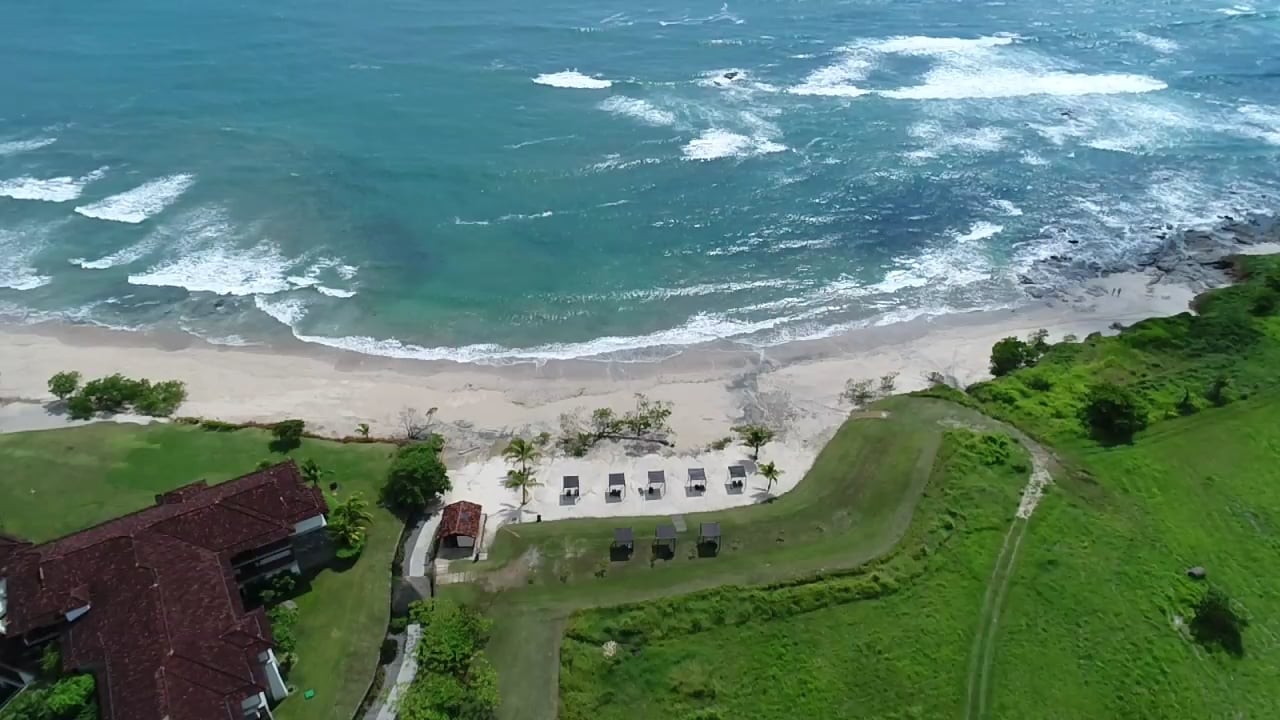
Properties with direct ocean access in Papagayo command premium prices not only for beachfront location but for ecosystem access. A villa with private beach access on nesting grounds experiences year-round wildlife activity—tourism potential that drives rental income and capital appreciation.
The marine premium in Papagayo is measurable: oceanfront properties appreciate 8-12% annually, significantly outpacing inland Guanacaste properties at 4-6% annually.
This difference is largely attributable to biodiversity-driven tourism demand.
Properties located within walking distance of national parks or major wildlife reserves experience measurable value appreciation tied to conservation guarantee.
Guanacaste National Park, Palo Verde National Park, and the Rincon de la Vieja conservation area form a protected zone spanning hundreds of thousands of acres. Properties adjacent to these zones are de facto protected: their neighboring ecosystems cannot be developed or degraded.
This creates asymmetric upside: properties near national parks maintain access to pristine ecosystems indefinitely, without bearing the management costs of private conservation lands. The public sector manages ecosystem health, while private property owners capture the appreciation benefit.
Global climate models project increasing pressure on tropical biodiversity. Species ranges are shifting. Some ecosystems face collapse or transformation.
Costa Rica's position as a global biodiversity leader makes it uniquely valuable as climate change intensifies. Properties located in regions with proven ecosystem stability and legal conservation protections represent climate resilience—an asset increasingly priced into luxury real estate.
Investors with 10-20 year horizons should recognize: biodiversity hotspots in legally protected regions will command growing premiums as climate pressure increases elsewhere.
A property in Nosara today is not just a real estate investment. It is a claim on one of Earth's most biodiverse, legally protected regions—an asset whose scarcity is increasing in real time.
Costa Rica's government has strengthened conservation commitments, not weakened them. Recent initiatives include:
• Payments for Environmental Services (PES) program: Incentivizing private landowners to maintain forest cover
• Expanding marine protected areas: Increasing coverage of ocean ecosystems
• Carbon credit programs: Monetizing forest conservation
• Biodiversity research initiatives: Strengthening scientific documentation and protection
These trends suggest regulatory support for conservation will intensify, not recede. Properties in biodiversity hotspots will benefit from this tailwind—increasing legal protection, increasing scientific recognition, increasing international conservation funding.
For investors, this represents policy-driven appreciation: governments are actively making biodiversity-rich regions more valuable through conservation law.
Properties in Costa Rica's biodiversity hotspots command measurable price premiums relative to comparable properties in lower-biodiversity regions.
This premium reflects:
• Scarcity value (ecosystems cannot be replicated)
• Rental income potential (tourism demand for nature access)
• Long-term appreciation (climate resilience, conservation security)
• Ecosystem services (water, climate regulation, carbon sequestration)
Importantly, this premium is not borrowed from speculative demand. It is grounded in measurable scarcity and functional value that will persist regardless of real estate cycles.
An investor buying a property in Nosara's biodiversity hotspot is not hoping for price appreciation. The property is structured to deliver it through multiple mechanisms:
1. Direct rental income from ecotourism demand
2. Capital appreciation from ecosystem scarcity
3. Long-term resilience from conservation guarantee
4. Ecosystem services that reduce operating costs
Not all biodiversity is equal. Certain regions concentrate higher species density and greater ecosystem complexity.
Within Guanacaste:
HIGH biodiversity = Nosara, Papagayo, Arenal (mountain zones)
• Transitional ecosystems
• National park adjacency
• Year-round wildlife activity
• 20-40% price premium
MEDIUM biodiversity = Tamarindo, Playas del Coco
• Mixed development + protected zones
• Seasonal wildlife concentration
• 10-20% price premium over interior
LOWER biodiversity = Interior Guanacaste away from protected zones
• Agricultural lands, lower species concentration
• Baseline pricing (no biodiversity premium)
For investors seeking both rental income AND appreciation, higher-biodiversity zones deliver superior returns across multiple dimensions.
Investors often think of real estate "infrastructure" as roads, electricity, water systems, and telecommunications.
Biodiversity is equally important infrastructure. It is the foundational asset that attracts tourists, commands rental premiums, and drives long-term appreciation.
A property in a biodiversity hotspot has superior infrastructure—nature-based infrastructure that government policy is actively strengthening and international demand is actively increasing.
For investors with 10+ year horizons, acquiring property in biodiversity hotspots is not aspirational real estate investment. It is strategic allocation to an appreciating, finite asset class.
Virginia Pastor brings 20+ years of expertise in Costa Rican real estate, with deep specialization in properties located in Guanacaste's highest-biodiversity zones: Nosara, Papagayo, Sámara, and the conservation-rich areas surrounding Rincon de la Vieja.
Understanding that informed investment decisions require appreciation of both financial and ecosystem factors, Virginia helps international buyers acquire properties that deliver both rental income and long-term appreciation through biodiversity-driven value.
Whether you are seeking a beachfront villa in Nosara with access to scarlet macaw populations and world-class birding, or a Papagayo oceanfront property with direct turtle nesting access, Virginia's expertise bridges real estate strategy and ecosystem value.

Stay up to date on the latest real estate trends.
Everything buyers need to know about Hacienda Pinilla, Guanacaste: its 3 beaches, golf course, beach club, neighborhoods, new projects, and tips for buying real estate… Read more
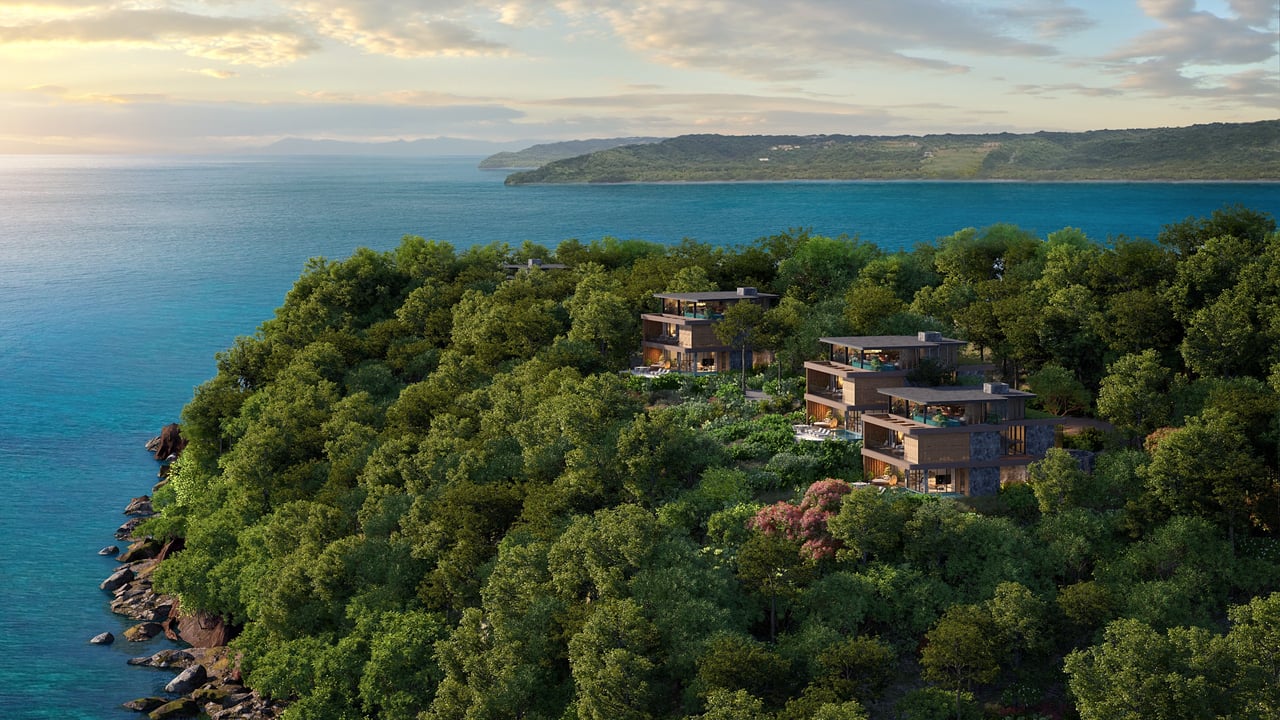
What Is a Branded Residence? A branded residence is a privately owned home built and operated in partnership with an international hotel brand.
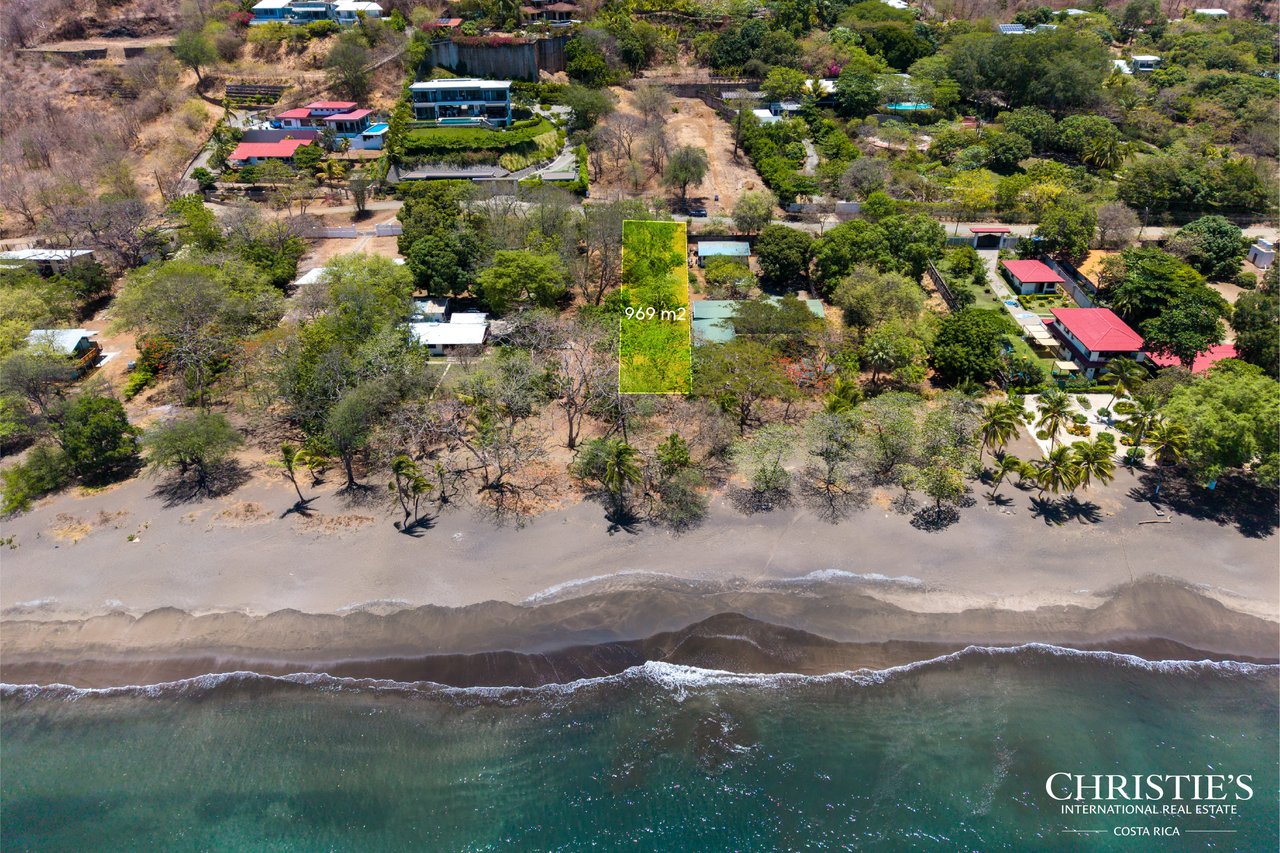
Thinking about buying beachfront property in Costa Rica? Here's what the Maritime Zone (ZMT) really means, how concessions work, and how to buy with confidence. Expert… Read more
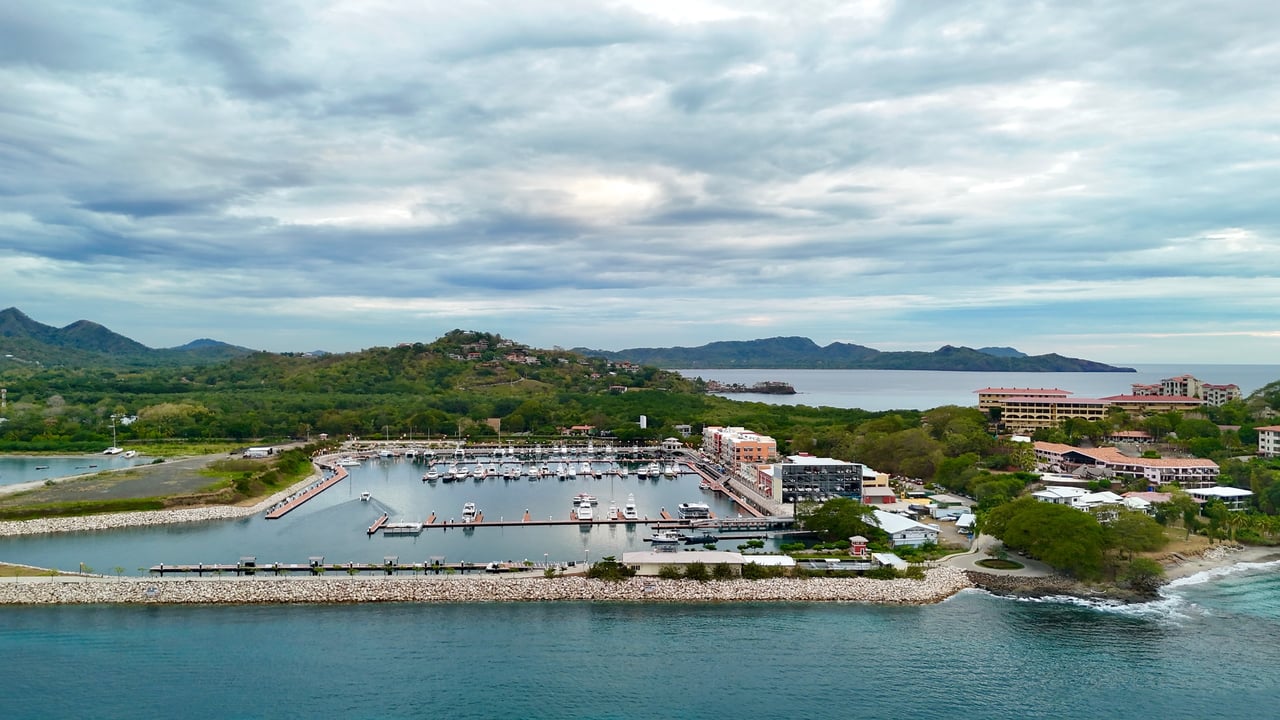
Costa Rica Luxury Real Estate 2026: Why Now Is the Time to Buy on the Gold Coast. Discover why 2026 is one of the strongest years in a decade to buy luxury real estat… Read more
When international investors evaluate Costa Rican real estate, they often encounter prices that puzzle them at first glance. A property in Nosara or Papagayo might com… Read more

Costa Rica applies taxation at several stages of property ownership and transactions: at acquisition, during ownership, and upon sale. The framework differs depending … Read more
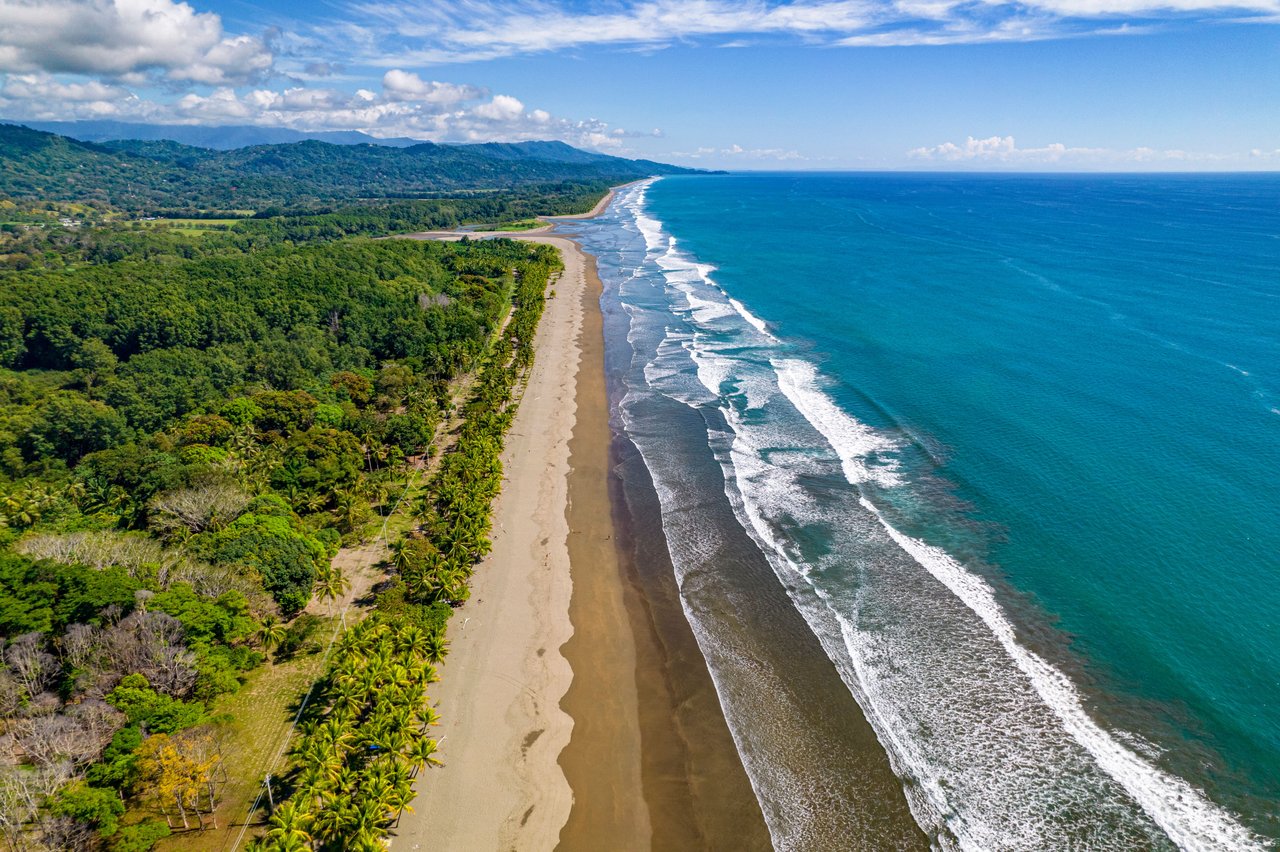
If you're a foreigner who has dreamed of retiring in a beachfront villa in Nosara, building a life on the Papagayo Peninsula, or investing strategically in Guanacaste'… Read more

It usually starts the same way. A week in Guanacaste — maybe a villa in Flamingo, a resort stay at Papagayo, a few evenings watching the sun go down over the Pacific —… Read more

How increased air connectivity is transforming Guanacaste into one of Costa Rica’s most sought-after property markets