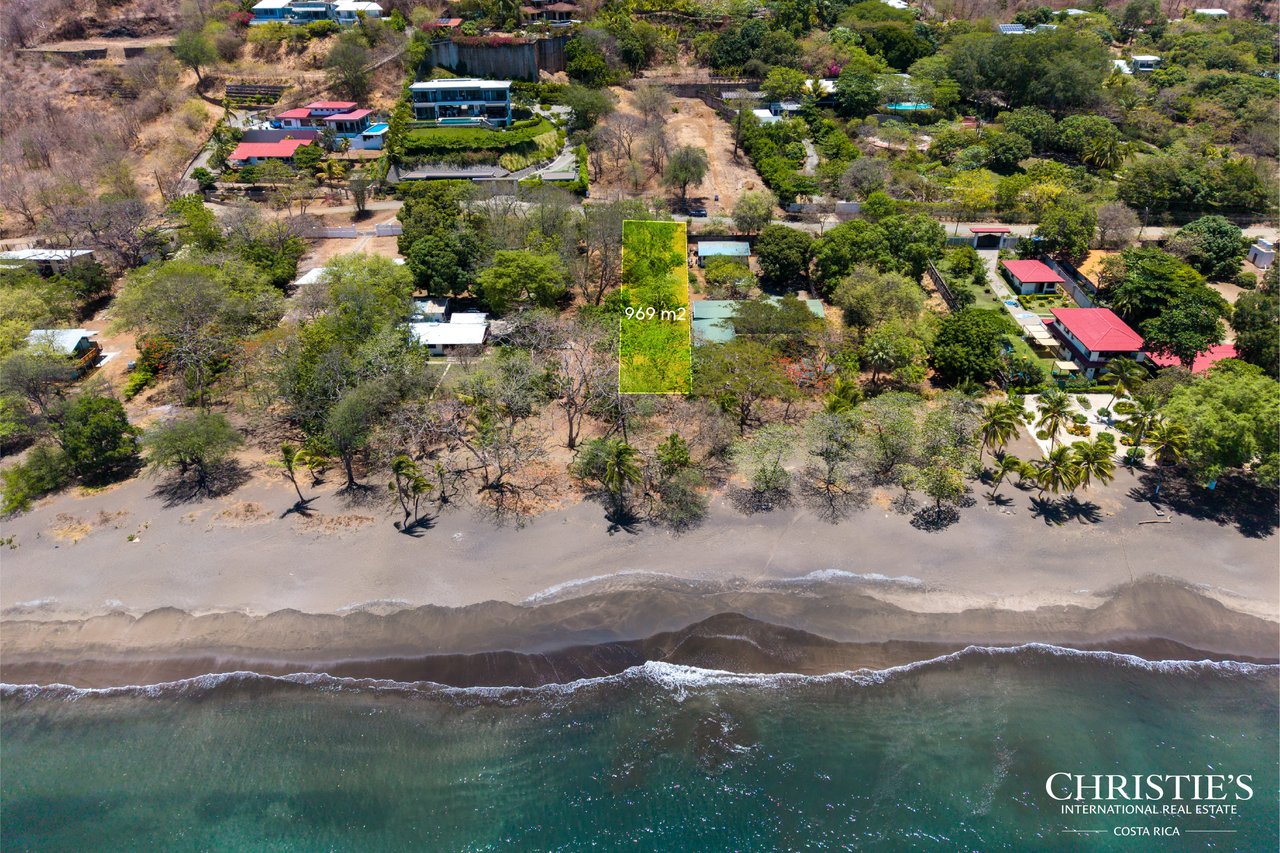
ZMT Property in Costa Rica Explained: What Foreign Buyers Need to Know Before Buying Beachfront
Virginia Pastor September 3, 2026
Virginia Pastor September 3, 2026
It's the question I hear most from international buyers falling in love with a beachfront property in Guanacaste: "Wait — I can't actually own the beach?"
The short answer is no — and understanding why is the difference between a smooth, confident purchase and a costly mistake. Here's what the Maritime Zone really means, and how to buy the right way.
Costa Rica's Zona Marítimo Terrestre, or ZMT, is a strip of land that runs 200 meters inland from the mean high tide line along nearly the entire coastline. By law, this land belongs to the state — not to any individual, foreign or Costa Rican.
It splits into two bands:
They don't, technically — they hold a concession: a long-term right (typically 20 years, renewable) granted by the local municipality to use and develop that specific parcel. A concession can be bought, sold, financed, mortgaged, and passed on, much like a leasehold — but it is not titled land (propiedad en título), which is the ownership structure most buyers are used to.
This distinction matters enormously, and it's where I see international buyers get into trouble when they go it alone.
Yes — with an important condition. Costa Rican law generally requires that a concession holder be either a Costa Rican citizen or a company where Costa Ricans hold at least 51% ownership if the foreigner has resided in the country for less than five years. Most foreign buyers solve this by purchasing through a properly structured Costa Rican corporation, set up correctly from day one with legal guidance.
Before making an offer on any concession property, a good broker and attorney will verify:
Skipping any one of these steps is how buyers end up with land they can't build on, or worse, can't legally transfer.
For the right buyer, absolutely. Concession properties are often the only way to secure true beachfront proximity in Costa Rica's most desirable coastal towns, and demand for these parcels remains strong given how limited titled beachfront land actually is. The key is going in with realistic expectations about the process, the timeline, and the extra due diligence involved — and with a team that has actually closed these deals before.
ZMT transactions move differently than a standard titled-property sale, and having the wrong guidance can cost you months — or the deal itself. I've personally worked through concession sales along Guanacaste's coast, from due diligence through closing, and I know exactly where these deals can go sideways.
Thinking about a beachfront property? Let's talk before you make an offer. —
Stay up to date on the latest real estate trends.
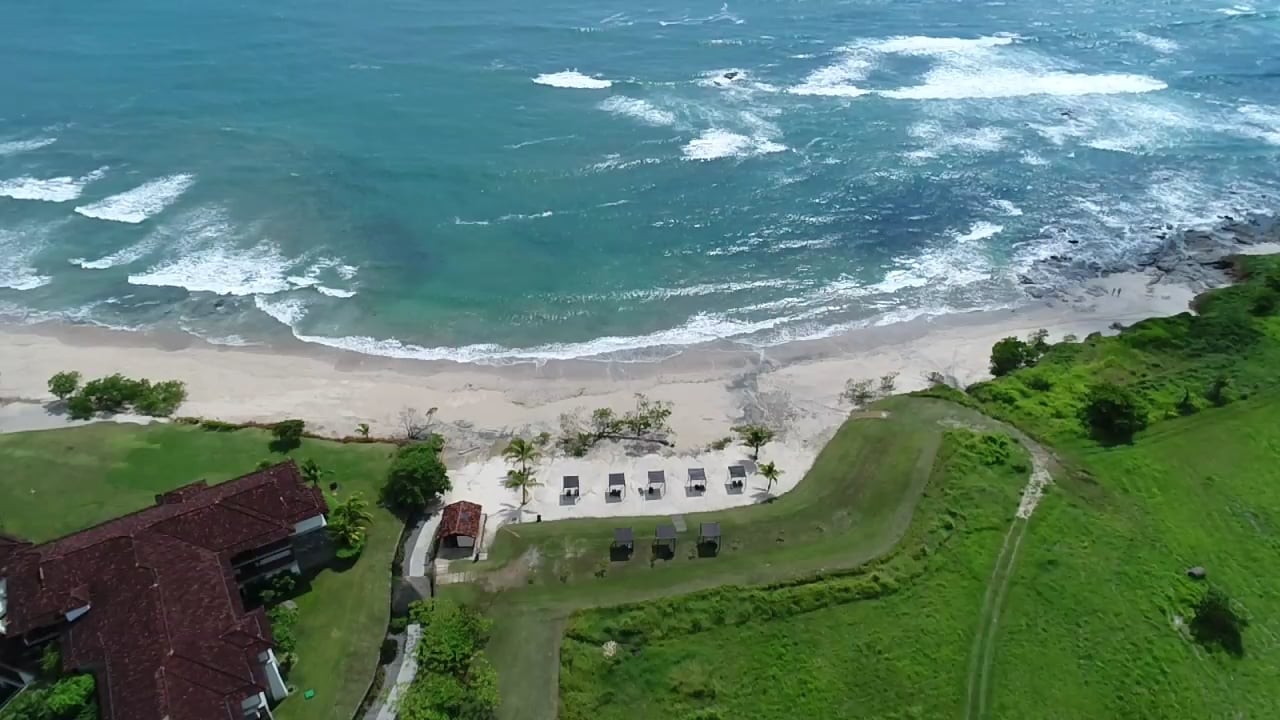
Everything buyers need to know about Hacienda Pinilla, Guanacaste: its 3 beaches, golf course, beach club, neighborhoods, new projects, and tips for buying real estate… Read more
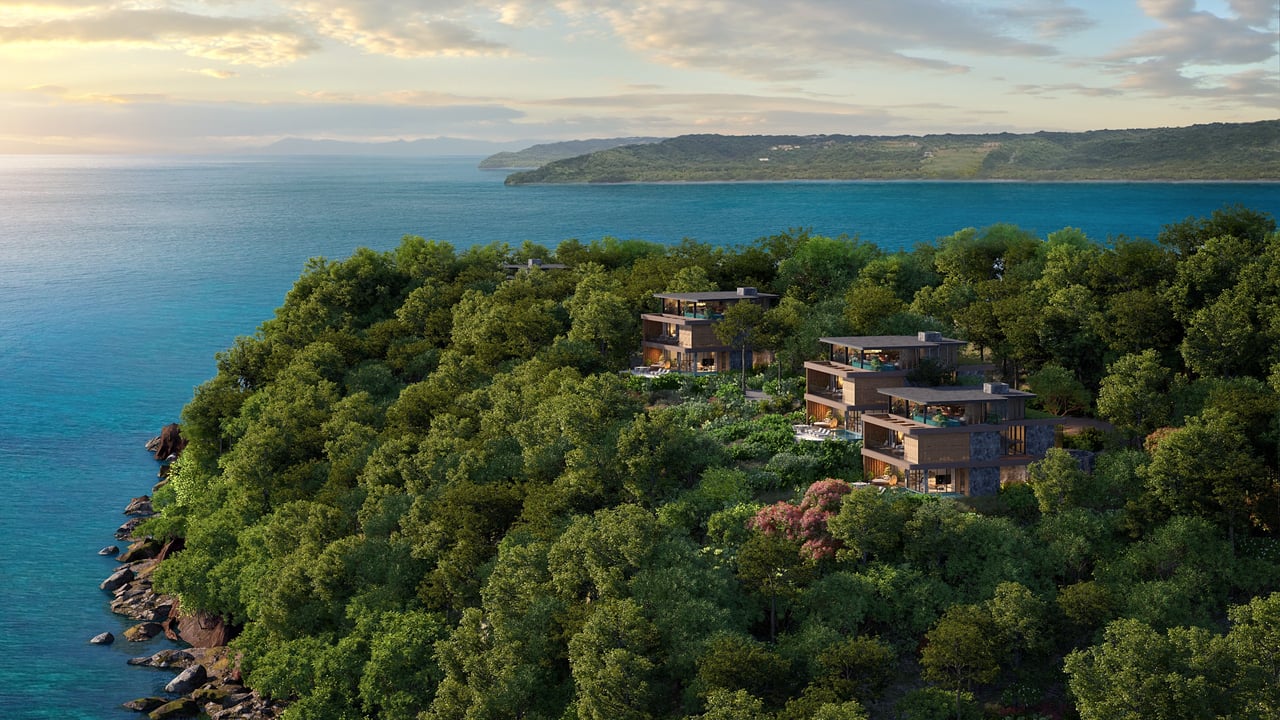
What Is a Branded Residence? A branded residence is a privately owned home built and operated in partnership with an international hotel brand.
Thinking about buying beachfront property in Costa Rica? Here's what the Maritime Zone (ZMT) really means, how concessions work, and how to buy with confidence. Expert… Read more
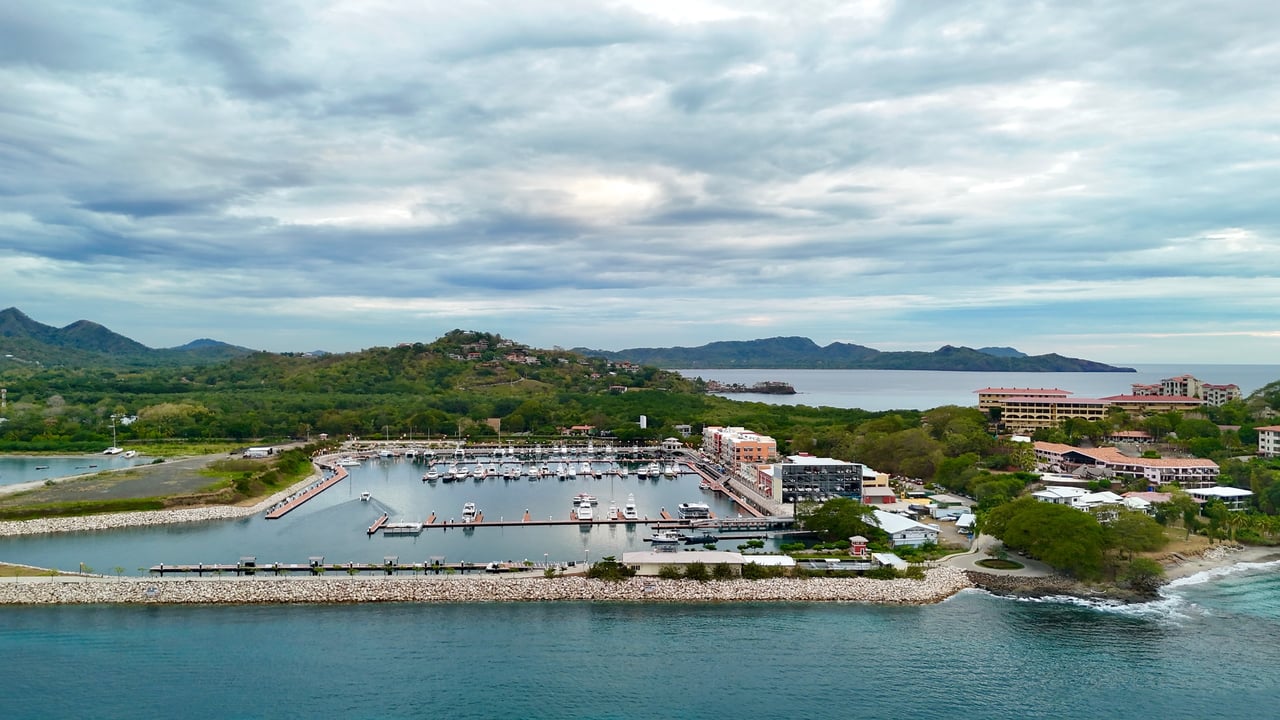
Costa Rica Luxury Real Estate 2026: Why Now Is the Time to Buy on the Gold Coast. Discover why 2026 is one of the strongest years in a decade to buy luxury real estat… Read more

When international investors evaluate Costa Rican real estate, they often encounter prices that puzzle them at first glance. A property in Nosara or Papagayo might com… Read more

Costa Rica applies taxation at several stages of property ownership and transactions: at acquisition, during ownership, and upon sale. The framework differs depending … Read more
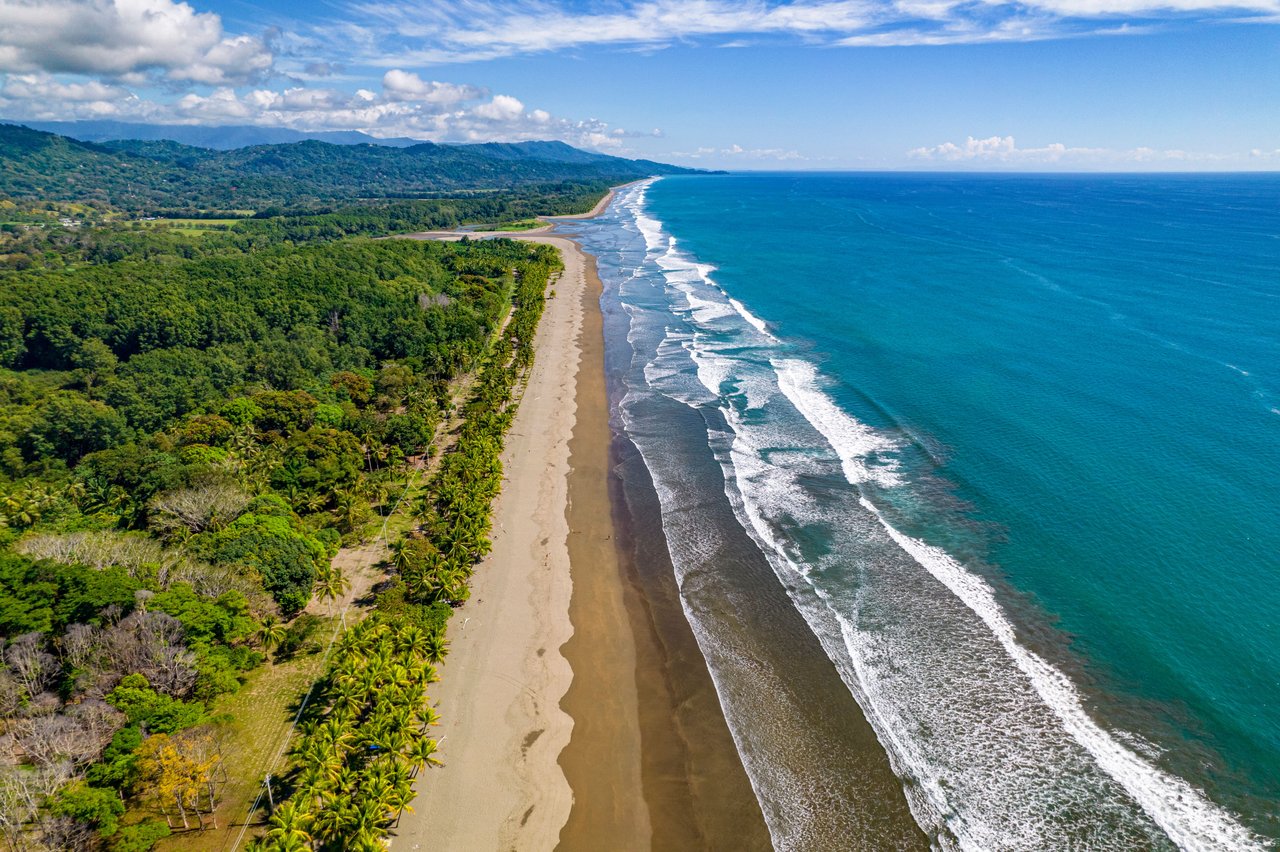
If you're a foreigner who has dreamed of retiring in a beachfront villa in Nosara, building a life on the Papagayo Peninsula, or investing strategically in Guanacaste'… Read more
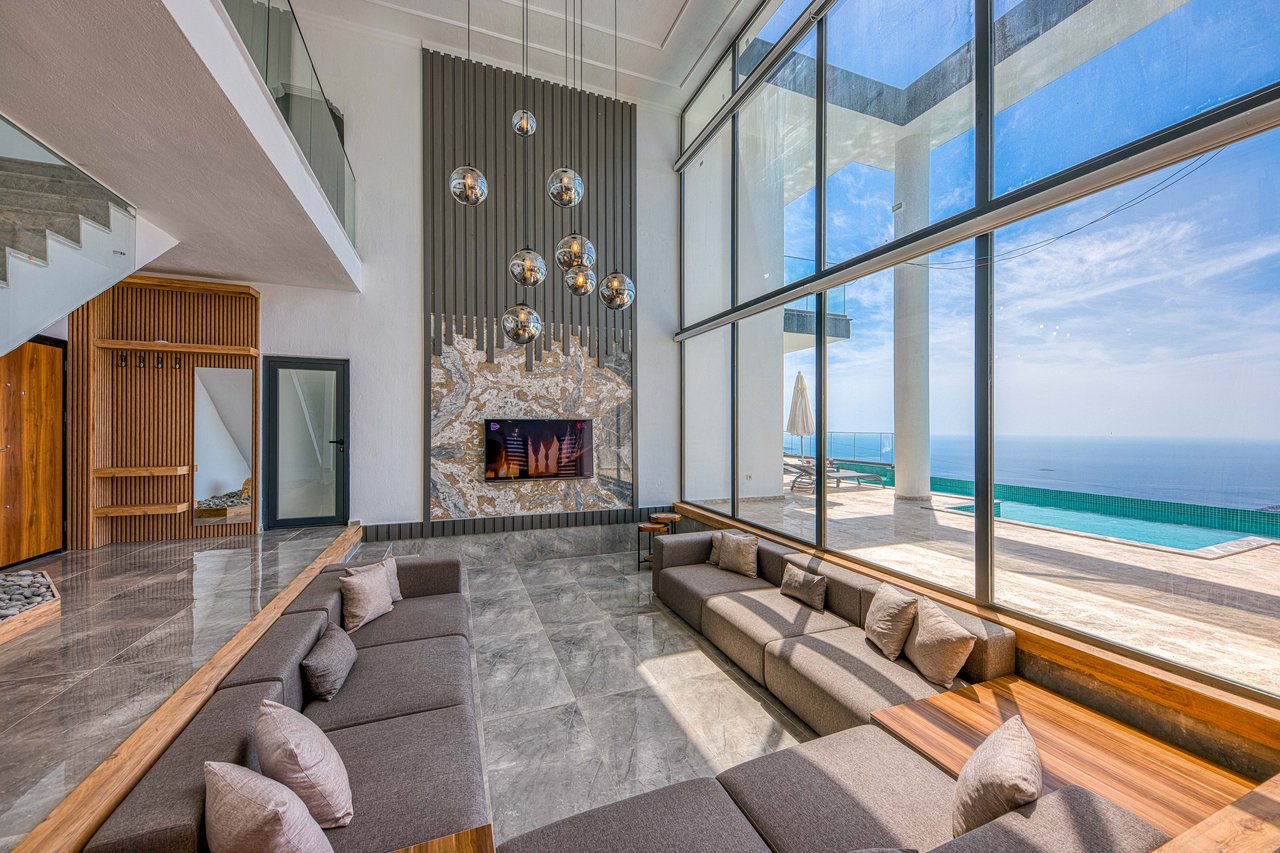
It usually starts the same way. A week in Guanacaste — maybe a villa in Flamingo, a resort stay at Papagayo, a few evenings watching the sun go down over the Pacific —… Read more
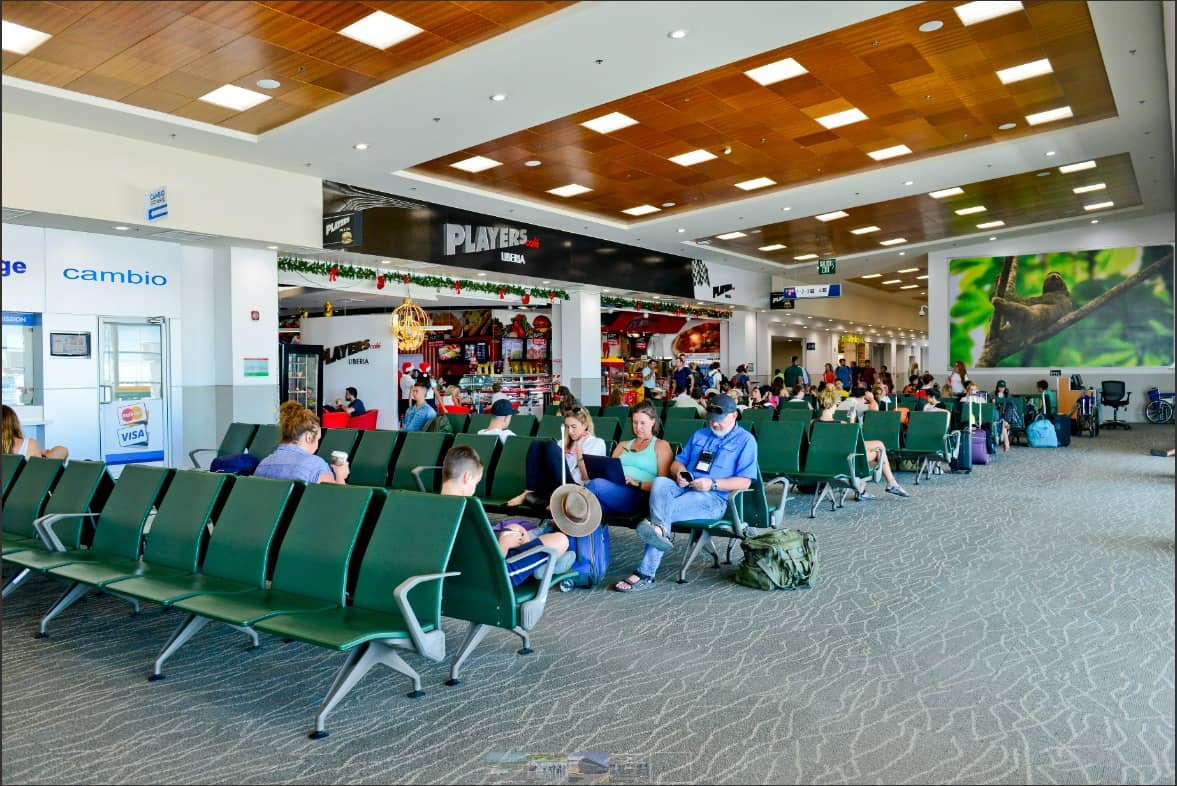
How increased air connectivity is transforming Guanacaste into one of Costa Rica’s most sought-after property markets